


































Ask for a Corner Sample of the Upholstered Headboard
Compare the covering, padding and substrate of the offered headboard separately, using a construction sample tied to the quoted model.
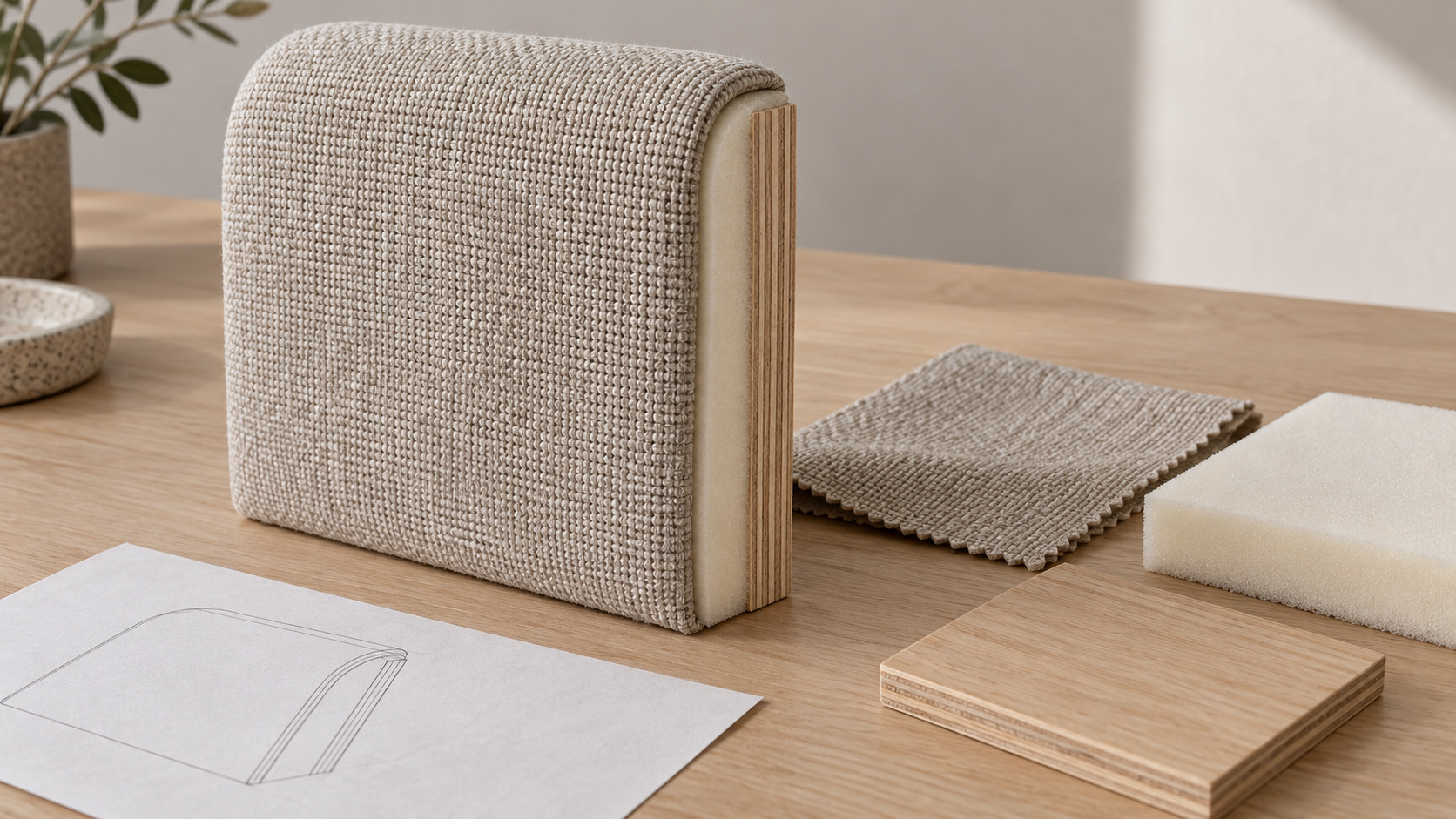
For an upholstered bed enquiry, I would put a small section of the headboard on the sample list. Not just the cover swatch: a section with the covering over the proposed padding, finished around an edge. If there were a stitched join in the design, I would want it in the sample too. It could be small enough to send with the material samples, provided the supplier identified which part of the quoted headboard it represented.
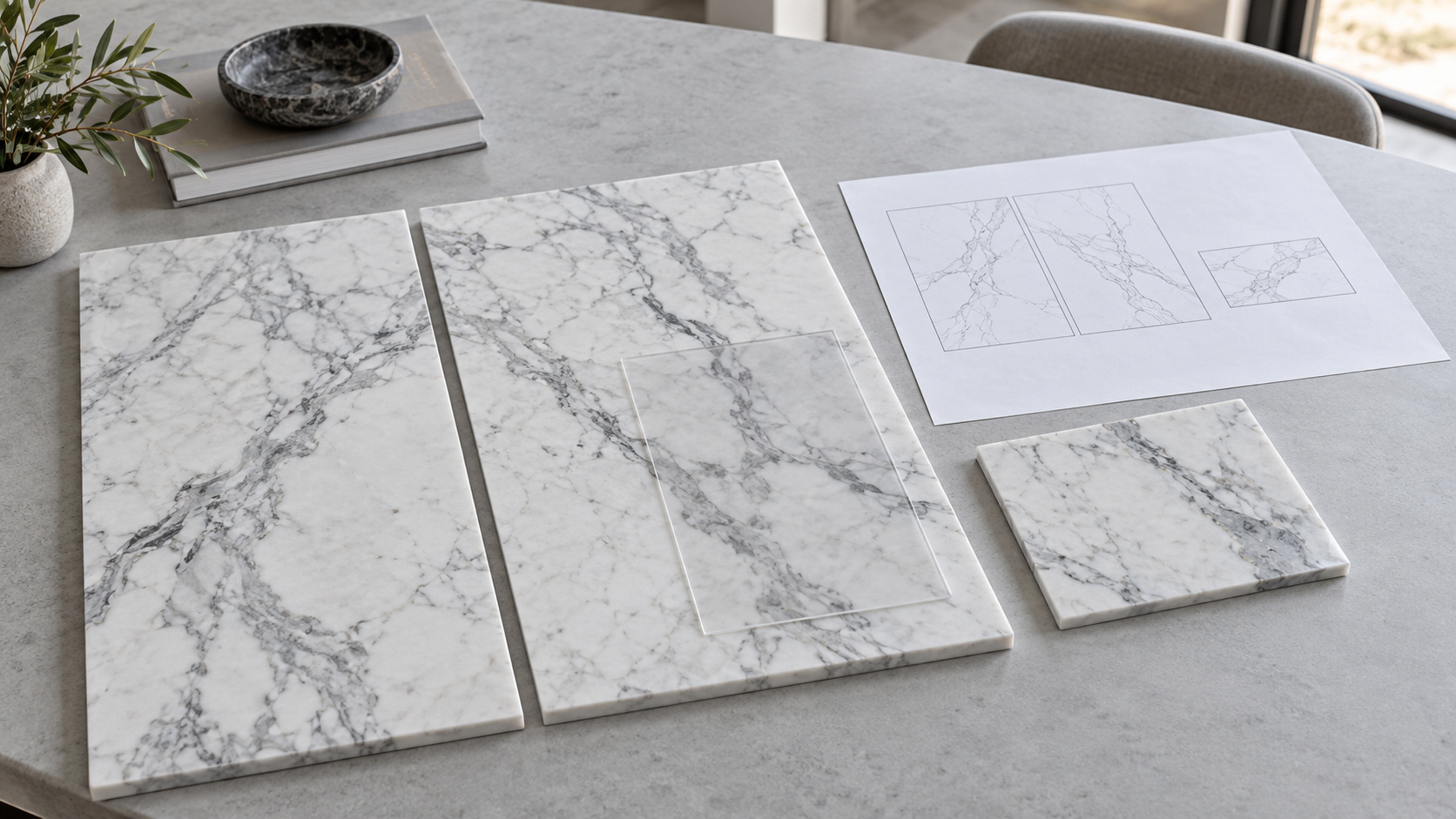
I would start by marking that part on a drawing. A rounded top corner might be useful for one design, while a join between upholstered panels might be the part worth seeing on another. The supplier could then return a description of the layers used there. From the visible face inward, what was the covering, what was the padding, and what was the substrate? Any extra layer would need a place in that description. I would not assume that another bed with a similar front photograph had the same build underneath.
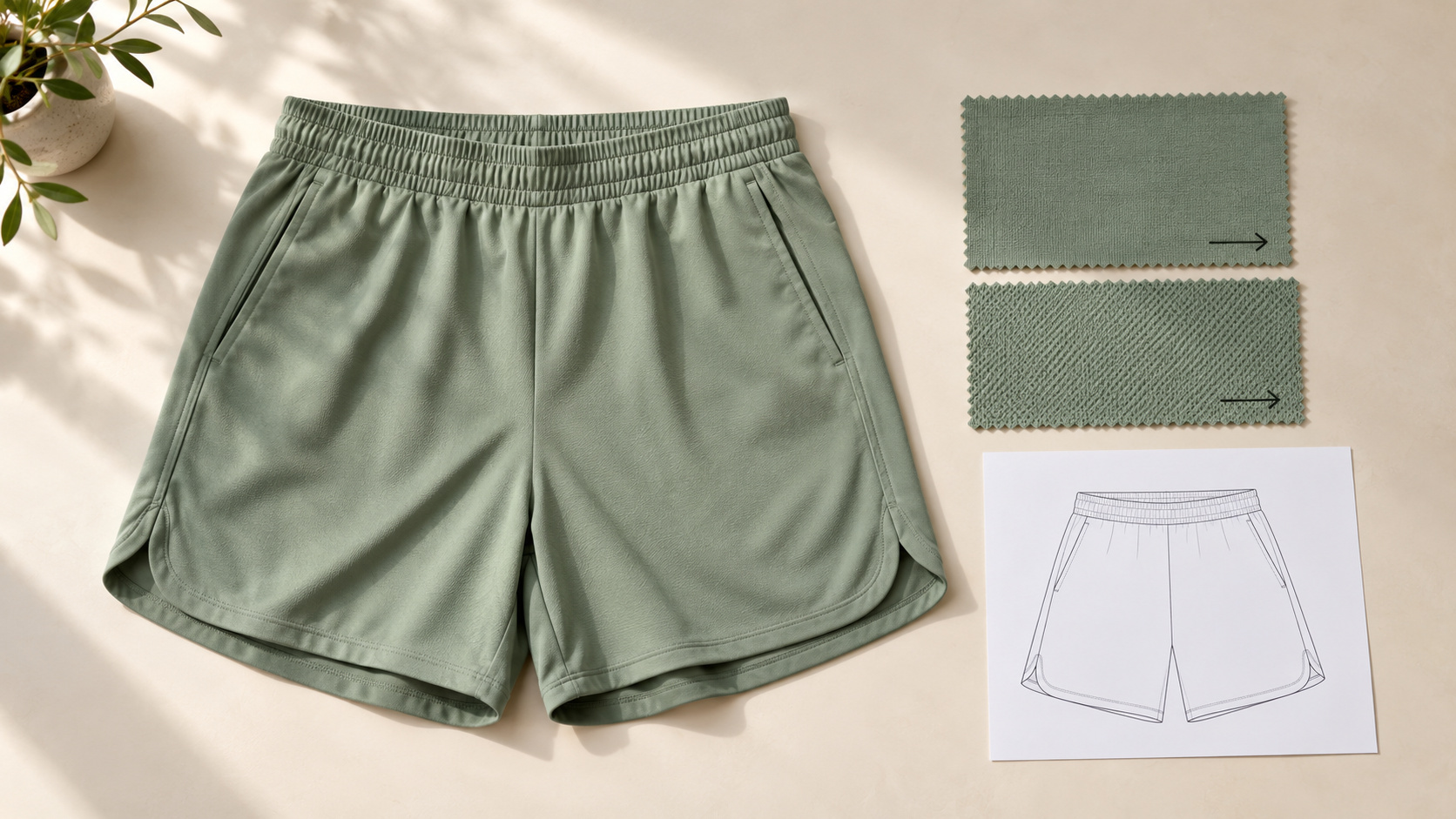
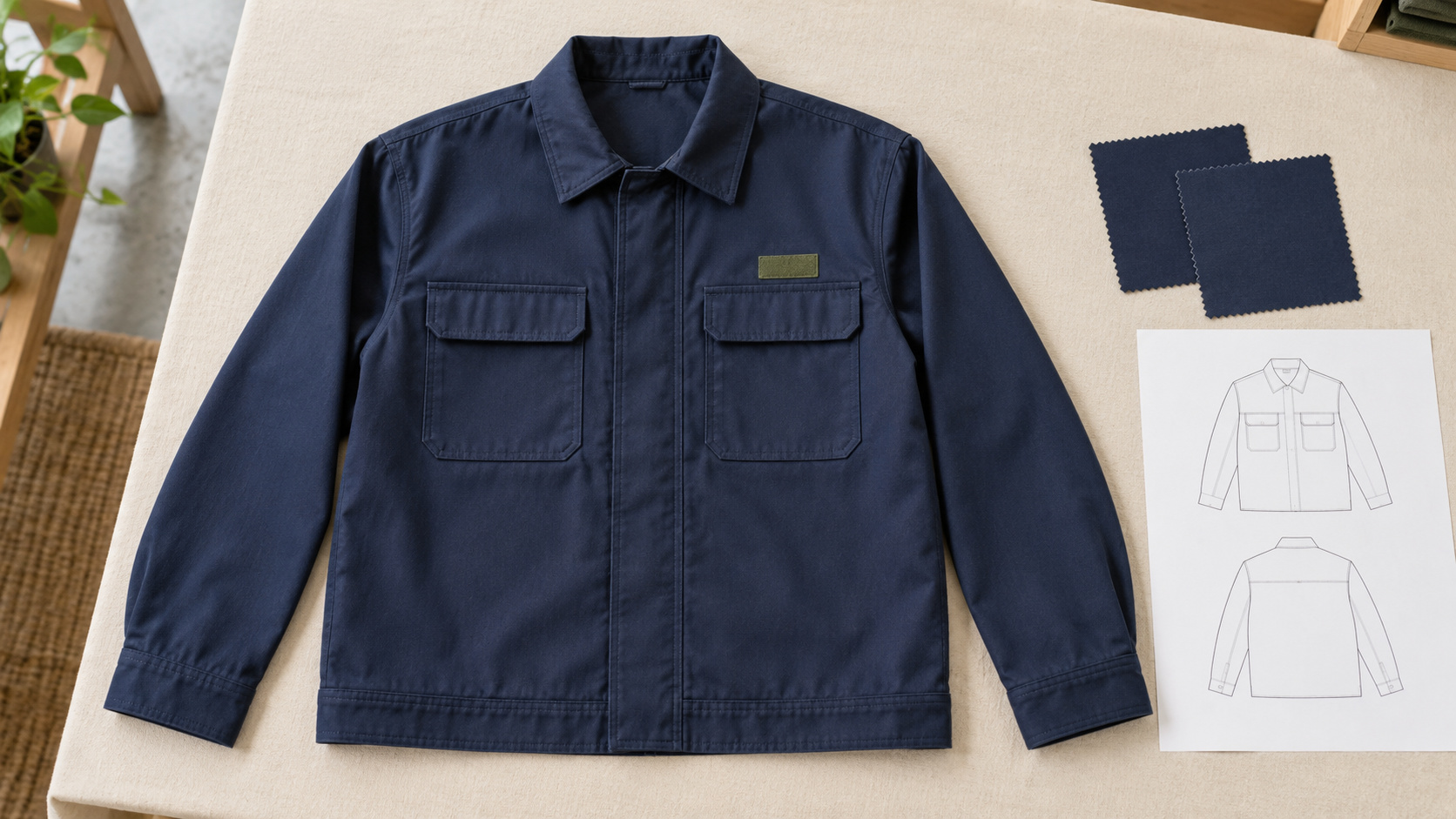
Loose pieces of the proposed materials could sit beside the assembled sample. I would give them the same references as the drawing, so the buyer could follow where each went. For the covering, I would ask which faces used it. There might be a different fabric on the back; if so, I would ask to see that fabric and have its location marked. On a bed intended to stand away from a wall, the back could be visible in the room even though it was absent from the catalogue's front view.
If polyurethane foam appeared in the description, I would ask for its specification separately from the covering. Density would be one field and firmness another, with the quoted units and measurement basis attached. The distinction comes from the Polyurethane Foam Association's performance guidance: density and firmness are independent properties. I would therefore not fill in a missing density by pressing the sample with my hand. Nor would I select a grade from a seat-cushion example for this headboard. I would ask the supplier to put the offered foam reference next to the padding layer on the corner drawing, so that the loose piece and the assembled sample could be traced back to the same description.
For the curved part, I would ask to see the sample from the side as well as the front, with the proposed seam visible in those views. Did the sample show the proposed curved profile? Where did the fabric join sit? If a patterned covering was chosen, I would ask for the pattern direction to be shown at that join. A decision to change the padding could then be followed through on a revised sample of the same corner. That would give us comparable pieces to discuss instead of a loose new foam sample beside a photograph of the old upholstery.
I would keep this approval with the material references on the order. It would cover the sampled upholstery construction; the bed's connections and supporting structure would need their own specification. Any required fire, emissions or other assessment would be defined for the supplied product by the responsible specialist, not inferred from one fabric or foam description. If the factory proposed a replacement material later, I would ask for the changed layer to be identified on the drawing and for the relevant sample to be returned before updating the approved references.
Share the product, specifications, quantity and destination to discuss sourcing options.